Blog

Gout Can Affect the Ankles, Too

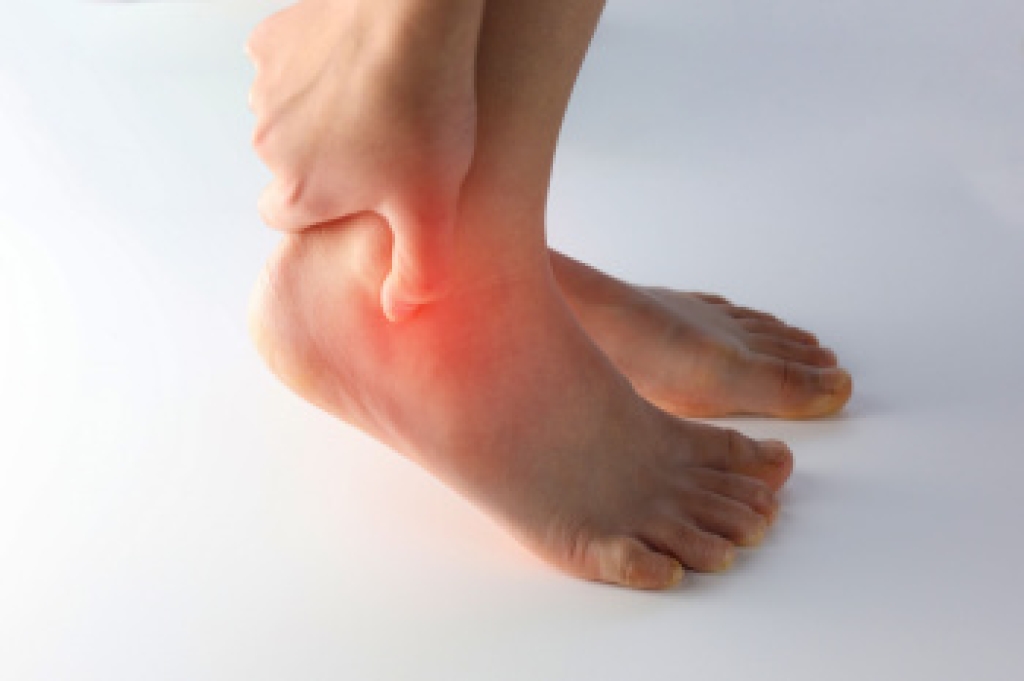
Gout is widely known for causing sudden pain in the big toe, but it can also affect the ankle joint. This inflammatory arthritis develops when excess uric acid forms sharp crystals inside the joint lining, triggering intense irritation. An ankle gout attack often begins abruptly, with redness, warmth, swelling, and extreme tenderness, sometimes so sensitive that even light contact is uncomfortable. Stiffness quickly follows, making walking and climbing stairs difficult. Symptoms typically peak within a day and may return in repeated episodes if the condition is not medically managed. Because ankle pain has many possible causes, proper evaluation is important. A podiatrist can review medical history, examine joint motion, order imaging, and perform diagnostic testing to confirm gout. Treatment focuses on reducing inflammation, protecting joint function, and preventing long-term joint damage. If you have ankle pain, it is suggested that you make an appointment with a podiatrist for an exam, diagnosis, and ongoing treatment.

Gout is a foot condition that requires certain treatment and care. If you are seeking treatment, contact one of our podiatrists from Foot & Ankle Institue. Our doctors will treat your foot and ankle needs.

What Is Gout?

Gout is a type of arthritis caused by a buildup of uric acid in the bloodstream. It often develops in the foot, especially the big toe area, although it can manifest in other parts of the body as well. Gout can make walking and standing very painful and is especially common in diabetics and the obese.

People typically get gout because of a poor diet. Genetic predisposition is also a factor. The children of parents who have had gout frequently have a chance of developing it themselves.

Gout can easily be identified by redness and inflammation of the big toe and the surrounding areas of the foot. Other symptoms include extreme fatigue, joint pain, and running high fevers. Sometimes corticosteroid drugs can be prescribed to treat gout, but the best way to combat this disease is to get more exercise and eat a better diet.

If you have any questions, please feel free to contact one of our offices located in St. George, Hurricane, and Cedar City, UT and Mesquite, NV . We offer the newest diagnostic and treatment technologies for all your foot care needs.

Read more about Gout

Foot Anatomy and How It Supports Your Body

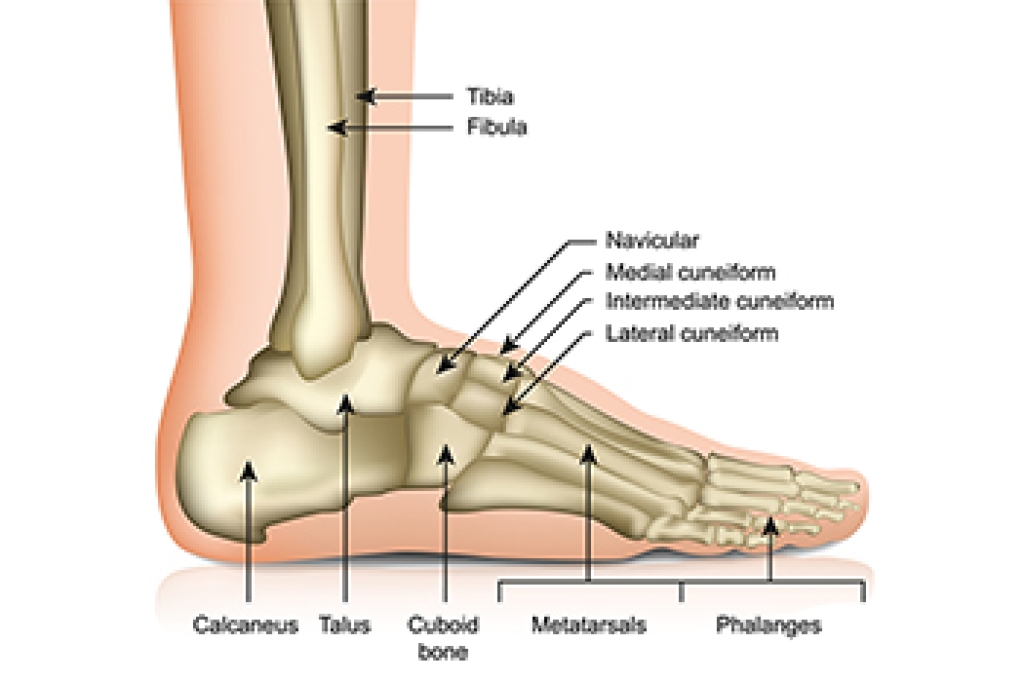
The complex structure of the foot is designed to support body weight and allow smooth movement while standing and walking. It contains 26 bones that work together to provide strength, balance, and flexibility. The tarsal bones form the rearfoot and ankle, creating a stable foundation, and help to absorb impact. The metatarsals make up the midfoot and act as supportive beams that distribute weight across the foot during standing and motion. Additionally, the phalanges are the toe bones, which assist with balance and push off during walking. When these bones are not functioning properly, pain and instability can occur. A podiatrist can evaluate foot anatomy, diagnose problems, and create treatment plans to restore proper function. If you have foot pain, it is suggested that you consult a podiatrist who can provide an accurate diagnosis and proper treatment.

If you have any concerns about your feet, contact one of our podiatrists from Foot & Ankle Institue. Our doctors can provide the care you need to keep you pain-free and on your feet.

Biomechanics in Podiatry

Podiatric biomechanics is a particular sector of specialty podiatry with licensed practitioners who are trained to diagnose and treat conditions affecting the foot, ankle and lower leg. Biomechanics deals with the forces that act against the body, causing an interference with the biological structures. It focuses on the movement of the ankle, the foot and the forces that interact with them.

A History of Biomechanics

  • Biomechanics dates back to the BC era in Egypt where evidence of professional foot care has been recorded.
  • In 1974, biomechanics gained a higher profile from the studies of Merton Root, who claimed that by changing or controlling the forces between the ankle and the foot, corrections or conditions could be implemented to gain strength and coordination in the area.

Modern technological improvements are based on past theories and therapeutic processes that provide a better understanding of podiatric concepts for biomechanics. Computers can provide accurate information about the forces and patterns of the feet and lower legs.

Understanding biomechanics of the feet can help improve and eliminate pain, stopping further stress to the foot.

If you have any questions please feel free to contact one of our offices located in St. George, Hurricane, and Cedar City, UT and Mesquite, NV . We offer the newest diagnostic and treatment technologies for all your foot and ankle needs.

Read more about The Importance of Biomechanics in Podiatry

Heel Pain Can Be Treated!

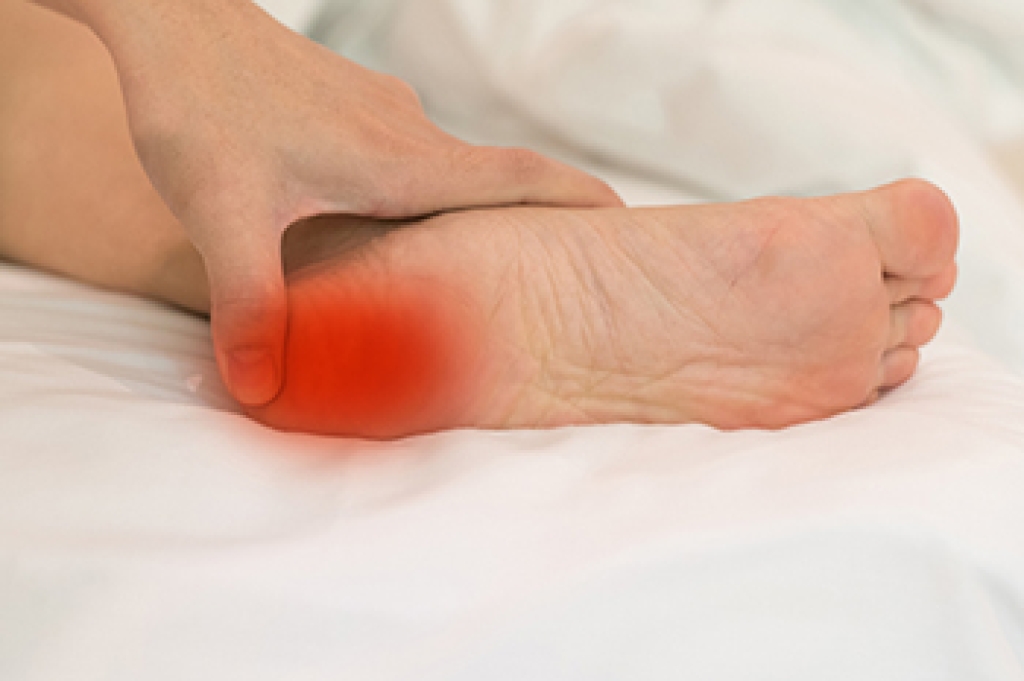
Do you suffer from heel pain when you get up in the morning? If so, you should seek professional help and have a proper diagnosis performed. Heel pain can be caused by several different foot-related conditions.

Causes of Foot Puncture Wounds

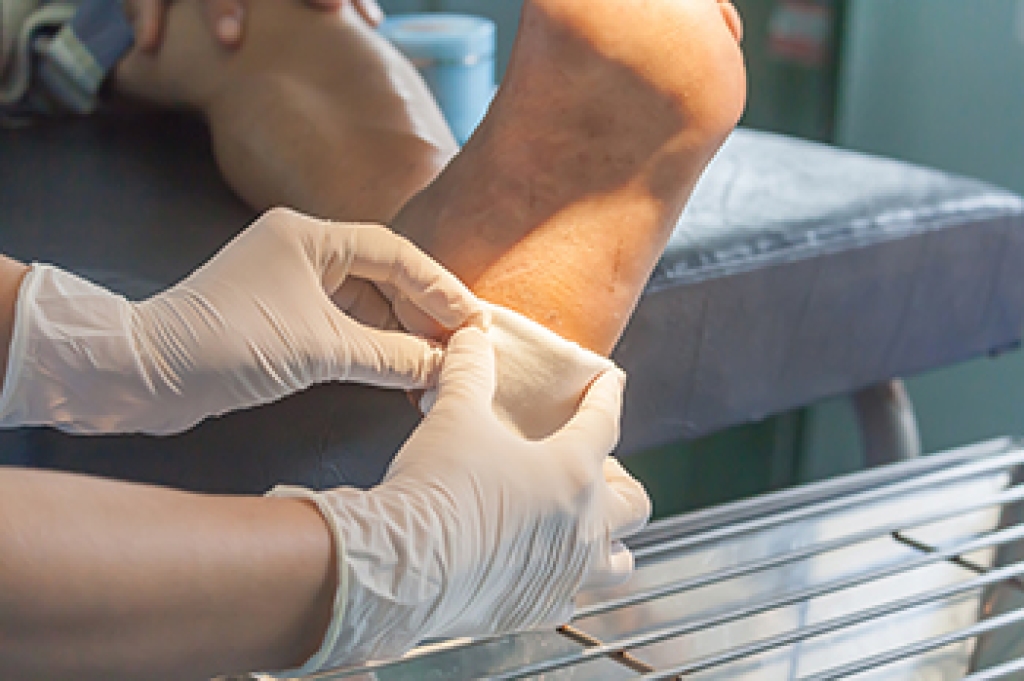
A puncture wound to the foot occurs when a sharp object pierces the skin and creates a small, but potentially deep injury. Common causes include stepping on nails, glass splinters, or sharp debris. These wounds can trap bacteria deep within the tissue, which increases the risk of infection. People with diabetes, peripheral neuropathy, or vascular disease should not attempt to self-treat puncture wounds because reduced sensation and circulation can delay healing and hide serious complications. Prompt podiatric care is essential. A podiatrist can properly clean and evaluate the wound, check for foreign material, assess circulation, and provide appropriate treatment to prevent infection. If you have a puncture wound on your foot, it is suggested that you promptly consult a podiatrist who can offer effective treatment solutions, reducing the risk of serious complications. 

Wound care is an important part in dealing with diabetes. If you have diabetes and a foot wound or would like more information about wound care for diabetics, consult with one of our podiatrists from Foot & Ankle Institue. Our doctors will assess your condition and provide you with quality foot and ankle treatment.

What Is Wound Care?

Wound care is the practice of taking proper care of a wound. This can range from the smallest to the largest of wounds. While everyone can benefit from proper wound care, it is much more important for diabetics. Diabetics often suffer from poor blood circulation which causes wounds to heal much slower than they would in a non-diabetic. 

What Is the Importance of Wound Care?

While it may not seem apparent with small ulcers on the foot, for diabetics, any size ulcer can become infected. Diabetics often also suffer from neuropathy, or nerve loss. This means they might not even feel when they have an ulcer on their foot. If the wound becomes severely infected, amputation may be necessary. Therefore, it is of the upmost importance to properly care for any and all foot wounds.

How to Care for Wounds

The best way to care for foot wounds is to prevent them. For diabetics, this means daily inspections of the feet for any signs of abnormalities or ulcers. It is also recommended to see a podiatrist several times a year for a foot inspection. If you do have an ulcer, run the wound under water to clear dirt from the wound; then apply antibiotic ointment to the wound and cover with a bandage. Bandages should be changed daily and keeping pressure off the wound is smart. It is advised to see a podiatrist, who can keep an eye on it.

If you have any questions please contact one of our offices located in St. George, Hurricane, and Cedar City, UT and Mesquite, NV . We offer the newest diagnostic and treatment technologies for all your foot and ankle needs.

Read more about Wound Care

Understanding Heel Pain in Growing Kids

Sever’s disease is a common source of heel discomfort in active children and adolescents, especially during growth spurts. It develops when the growth plate at the back of the heel becomes irritated from repeated stress. This often occurs in kids who participate in running or jumping sports, as tight calf muscles and rapid bone growth place extra tension on the heel. It typically affects children between the ages of eight and 14. Symptoms include heel pain during or after activity, tenderness when the heel is squeezed, limping, or avoiding sports they once enjoyed. Pain often improves with rest but returns when activity resumes. Treatment focuses on reducing strain while growth continues. Rest, activity modification, stretching, supportive shoes, heel cushions, and orthotics may be recommended. The condition resolves with time as growth plates mature. If your child has ongoing heel pain, it is suggested that they be evaluated by a podiatrist to confirm the diagnosis and guide care.

Sever's disease often occurs in children and teens. If your child is experiencing foot or ankle pain, see one of our podiatrists from Foot & Ankle Institue. Our doctors can treat your child’s foot and ankle needs.

Sever’s Disease

Sever’s disease is also known as calcaneal apophysitis, which is a medical condition that causes heel pain I none or both feet. The disease is known to affect children between the ages of 8 and 14.

Sever’s disease occurs when part of the child’s heel known as the growth plate (calcaneal epiphysis) is attached to the Achilles tendon. This area can suffer injury when the muscles and tendons of the growing foot do not keep pace with bone growth. Therefore, the constant pain which one experiences at the back of the heel will make the child unable to put any weight on the heel. The child is then forced to walk on their toes.

Symptoms

Acute pain – Pain associated with Sever’s disease is usually felt in the heel when the child engages in physical activity such as walking, jumping and or running.

Highly active – Children who are very active are among the most susceptible in experiencing Sever’s disease, because of the stress and tension placed on their feet.

If you have any questions, please feel free to contact one of our offices located in St. George, Hurricane, and Cedar City, UT and Mesquite, NV . We offer the newest diagnostic and treatment technologies for all your foot care needs.
Read more about Sever's Disease
Connect With Us